Flexi-hoses: A common cause of internal flooding and costly water damage

Risk Matters - Winter 2026

Plumbing flexi-hose failures are very common and often occur due to many factors. They are a major source of internal flooding and water-damage claims across both residential and commercial buildings.

LGIS has seen a range of member claims involving failed flexi- hoses. These failures can occur in typical bathroom and kitchen installations, but also in larger and more complex settings such as industrial hot water systems. The financial impact can range from several thousand dollars to losses in the millions, depending on how long water escapes, how quickly the leak is detected, and the extent of building and contents damage.

One of the biggest risks is in buildings that are infrequently used, particularly where the mains water connection is not isolated. In these circumstances, a single flexi-hose failure can allow water to escape for days, weeks or even months without being noticed – resulting in a large water bill and, more importantly, significant water and mould damage.

“Flexi-hoses are probably the weak point of any plumbing system as they are exposed and subject to corrosion, heat cycling and thermal expansion. The rubber hose itself can become brittle, deteriorate and fail, so too the braided line which can cause the innear hose to blow-out and fail.” – Paul Martelli and Rob Mitchell, of Charles Taylor Loss Adjusting.

Other sections in this season's Risk Matters

Where we’ve been – Winter 2026

Congratulations to the Shire of Kellerberrin on receiving the Tier 2 Diligence in Safety Award. CEO James Sheridan visited the Shire earlier this month to meet the team and present the award. The award recognises strong results through LGIS’s ‘3 Steps to Safety’ program.


Read More »

Hiring third-party equipment?

From marquees, stages and sound systems to temporary fencing, generators, catering equipment and vehicles, third-party asset hire is a practical way to meet short-term needs without owning everything year-round.

Read More »

Understanding the Reasonable Administrative Action exclusion in the Workers Compensation and Injury Management Act 2023 (WA)

The Workers Compensation and Injury Management Act 2023 (WA) introduced a significant change to the assessment of psychological injury claims in Western Australia. While the Act retains a broad definition of injury, section seven contains a new exclusion for psychological and psychiatric disorders arising from ‘reasonable administrative action’ taken by an employer.

Read More »

Why maintenance matters (including potential claim impacts)

Regular maintenance is crucial. A lack of upkeep can also affect claim outcomes, because ‘wear and tear’ is not often covered under policies. If an item has not been maintained, it may not be eligible for a claim – for example, where rust or corrosion was plainly visible and contributed to the rupture. This makes it important for building owners and facility managers to treat flexi-hoses as an inspect-and-replace item, not a “fit and forget” component.

What is a flexi-hose?

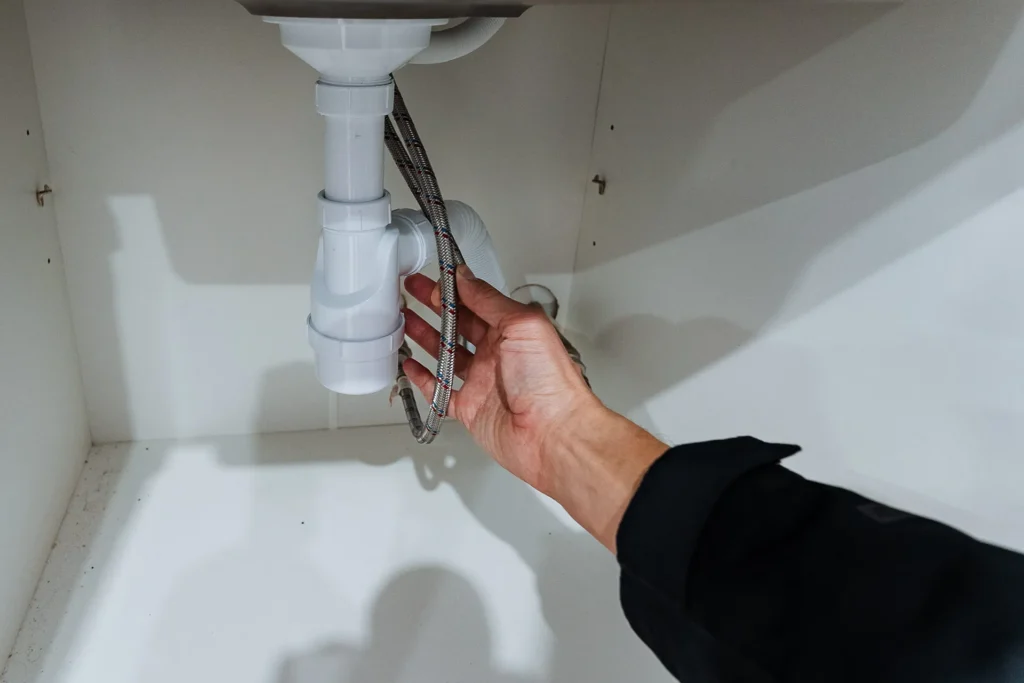
A flexi-hose (flexible hose connection) links fixed water supply pipes to fixtures and appliances such as taps, toilets, washing machines, and dishwashers. Flexi-hoses are commonly used because they allow installation in tight spaces and provide flexibility during connection. They can also help absorb hydraulic shock (pressure changes) that would otherwise place stress on rigid pipework. Flexi-hoses generally incorporate an internal rubber tube or hose, along with an external braided sleeve – most commonly stainless steel, although some products use a nylon fabric sleeve. The sleeve helps protect the inner hose from external friction damage and provides strengthened flexibility and high-pressure resistance.

Common cause of failure

Most failures relate to either degradation of the internal rubber tube, or corrosion/damage to the external braided sleeve. Both can lead to significant water leaks and substantial property damage if water is allowed to leak unchecked for an extended period.

Age-related deterioration of the inner house

Over time, the inner rubber tube can deteriorate and become brittle. This deterioration may be accelerated by thermal changes (including atmospheric exposure, UV exposure, and heat cycles), as well as continued movement from hydraulic shock. When the inner tube loses elasticity, small tears can form, leading to water escape and eventual rupture.

Corrosion, fraying, or damage to the braided sleeve

The external braided sleeve can corrode and fray over time due to environmental and atmospheric conditions, including long-term exposure to moist, wet and even salty air conditions. Corrosive chemicals or substances (including cleaning chemicals) can also contribute to sleeve degradation.

Another contributing mechanism can be galvanic corrosion. This may occur when two different metals are in contact in the presence of an electrolyte conductor (such as water, moisture, or humidity), causing accelerated corrosion and premature failure of the braided sleeve.

Once the braided sleeve frays or fails, the inner rubber tube – still under water pressure – can expand or bulge excessively because the sleeve is no longer providing high-pressure resistance. This can ultimately lead to splitting of the inner tube and significant water escape.

Risk mitigation: practical steps to reduce failures

While there are no mandated Australian Standards around the replacement of flexi-hoses, it is recommended that flexi-hoses be replaced every 5–10 years to mitigate failures. This is particularly important in high-risk locations (hidden voids, cupboards, plant rooms) and in high-consequence environments where even a short-duration leak would cause major damage.

There are also product options that may reduce risk in new installations and replacements. Anti-burst flexi-hoses incorporate a strengthened inner tube, and anti-leak designs may include built-in shut-off valves. These options should be considered where appropriate, particularly in higher-risk applications.

For larger commercial hot water system installations, annual inspections by a qualified plumber are recommended to identify issues before they become problematic.

Case study: indoor sports facility – water escape from failed flexi-hose

In early 2024, a stainless-steel braided flexible hose in a plant/storeroom feeding a hot water system ruptured, releasing a large volume of hot water into an adjoining indoor sports hall. The facility was a four-court indoor sports hall with sprung timber playing surfaces installed over battens and substrate on a concrete slab with a vapour barrier. The hot water plant (multiple instantaneous units operating at elevated temperature) was in a storeroom adjacent to several courts.

The day before discovery, the last event was held, and the facility was secured in the afternoon. In the early hours, cleaning staff discovered extensive water across multiple courts. The source was traced to the hot water storeroom. Immediate actions included isolating the mains, extracting standing water, deploying drying equipment, fitting a temporary replacement hose and scheduling replacement of remaining hoses.

The failure was observed as a longitudinal rupture of the braided flexible hose on the hot water return/ supply run. The hose was approximately four years old and showed external fraying and a split consistent with sudden carcass failure. Possible contributing factors under investigation included mechanical contact with an adjacent pipe, vibration, and galvanic corrosion in the presence of condensation or other electrolyte conditions. The failed component was retained for forensic testing to determine the precise failure mechanism and whether manufacturing, installation or design issues contributed. Damage was extensive. Two courts were initially judged beyond repair and removed as total losses, and significant mould was discovered beneath flooring layers during removal. A further court showed localised cupping and moisture damage, while one court initially showed no significant surface damage – however, ultimately all four courts required removal and replacement. Mould concerns prompted expanded engineering involvement and mould testing to inform re-opening and restoration decisions. The incident also caused operational interruption, reducing court capacity and requiring relocation of some competitions.

Share on Twitter
Share on LinkedIn

Other sections of this season's Risk Matters

CEO’s Message – Winter 2026

This year marks the significant milestone of the 30th anniversary of LGIS. It’s an opportunity to reflect on the remarkable journey we have undertaken together over the past three decades. Since our founding in 1995, LGIS has evolved from a practical response to emerging risks into a pioneering mutual scheme that proudly serves the diverse needs of Western Australia’s local governments.

Read more »