
Hiring third-party equipment?

Risk Matters - Winter 2026

Picture of Damien Gaughan

Damien Gaughan

Manager, Member Services
Damien’s role is to manage the Member Services team who are committed to providing
the highest quality service in responding to the coverage and risk management needs of
local governments. Damien provides strategic oversight across all member relationships
as well. He brings over two decades of insurance and client relationship management to
the role and has specialised in local government since 2022.

The Workers Compensation and Injury Management Act 2023 (WA) introduced a significant change to the assessment of psychological injury claims in Western Australia.

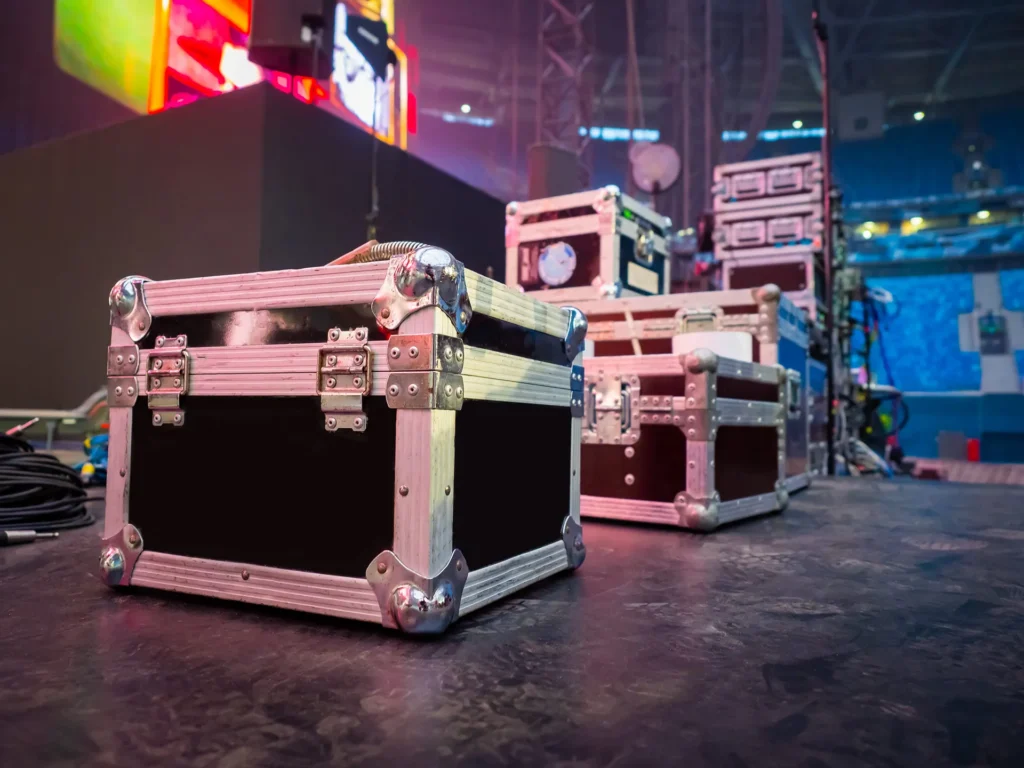
From marquees, stages and sound systems to temporary fencing, generators, catering equipment and vehicles, third-party asset hire is a practical way to meet short-term needs without owning everything year-round.

But that practicality can also hide a risk. Even short-term, low- value equipment hires can create added risk for LGIS members because key exposure is often created by the hire agreement terms, rather than the equipment itself. In addition to risk requirements, hire agreements may include hold harmless clauses and indemnity provisions that transfer responsibility for loss, damage, costs, or third-party claims to the local government. Hold harmless arrangements may be individual or reciprocal, and indemnity obligations can extend beyond what coverage typically responds to.

“As soon as you’re considering hiring third-party equipment, contact your LGIS account manager to discuss the options and services that are available.”

The case study illustrates how a routine event hire can escalate into a disputed damage claim where contractual obligations are not supported by internal controls. It highlights the importance of verifying insurance and liability terms at the point of hire and ensuring that internal register and notification steps are completed so coverage and response arrangements are in place.

Other sections in this season's Risk Matters

Where we’ve been – Winter 2026

Congratulations to the Shire of Kellerberrin on receiving the Tier 2 Diligence in Safety Award. CEO James Sheridan visited the Shire earlier this month to meet the team and present the award. The award recognises strong results through LGIS’s ‘3 Steps to Safety’ program.

Read More »

Hiring third-party equipment?

From marquees, stages and sound systems to temporary fencing, generators, catering equipment and vehicles, third-party asset hire is a practical way to meet short-term needs without owning everything year-round.

Read More »

Understanding the Reasonable Administrative Action exclusion in the Workers Compensation and Injury Management Act 2023 (WA)

The Workers Compensation and Injury Management Act 2023 (WA) introduced a significant change to the assessment of psychological injury claims in Western Australia. While the Act retains a broad definition of injury, section seven contains a new exclusion for psychological and psychiatric disorders arising from ‘reasonable administrative action’ taken by an employer.

Read More »

Case Study

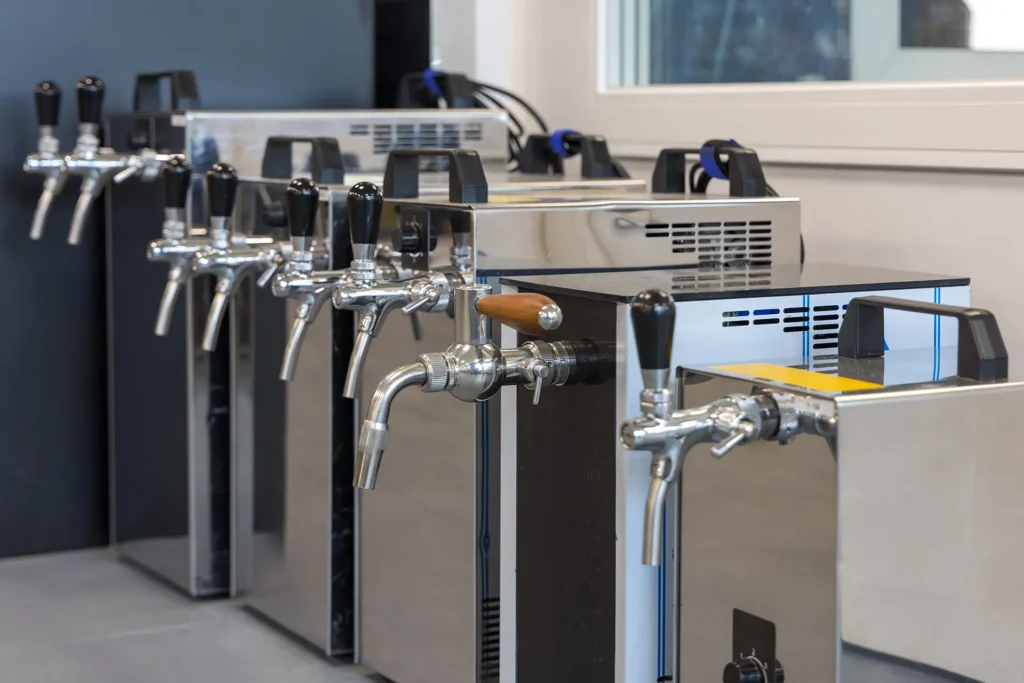
A local government member arranged short-term hire of a machine to support catering and guest amenities. The hire agreement, however, contained an important risk allocation. It made the local government responsible for the machine while it was in their possession, including arranging cover for loss or damage during the hire period.

A process gap emerged at this point. Although the hire agreement placed responsibility on the member to arrange protection for the machine during the hire period, LGIS was not advised that the item needed to be added to the covered asset register/schedule. There was no automatic mechanism to capture hired-in equipment; instead, this relied on the member identifying their coverage in the hire documentation and completing the required internal notification step. In this instance, that notification did not occur.

The event proceeded without any obvious incident. The machine was delivered, operated as expected, and was returned to the hire company at the end of the hire period. Nothing at the point of return triggered immediate concern from local government staff. Shortly afterwards, the hire company contacted the member to allege the machine had been returned “extensively damaged” and that it required complete replacement.

The member disputed that the asset had been damaged during its use. Staff responded by requesting more information, including clearer evidence of what damage was being claimed and how it was being attributed to the hire period. The issue quickly shifted from routine supplier management into a liability question: if the hire company could substantiate its allegations, would the local government be legally responsible for the loss, and – equally importantly – would the member have been covered? Further complication sat behind that question: hire agreements often do more than say who arranges insurance. They can also include risk transfer wording – such as hold harmless or indemnity provisions – where one party agrees to protect the other from certain liabilities connected with the hire. A “hold harmless” clause is a contractual term where one party agrees not to hold the other responsible for specified liabilities, and it can be drafted on a one-way or mutual basis.

If the hire agreement placed broad responsibility on the member (and the item was not added to the LGIS asset register), the member could be left exposed to paying the supplier’s claim directly, even while still contesting whether the alleged damage occurred during the hire.

This case highlights why hired-in assets – even relatively low- value, short-duration event hires – need the same discipline as larger plant and equipment hires: check the contract for insurance and indemnity wording, ensure there is a clear internal trigger for notification (rather than assuming “automatic” addition), and keep basic condition records at handover and return so the local government can respond confidently if a damage allegation arises.

What actions can members take

The situation can be avoided by taking the following actions.

If in doubt, contact your account manager

  • If anything is unclear (what’s covered, who is responsible, or what the agreement means), contact your account manager early so the arrangement can be checked before the hire proceeds.

Hired-in assets must be notified to LGIS (it is not an auto addition)

  • Do not assume hired-in assets are automatically included. Make sure the hired-in asset is recorded through your normal internal process and that LGIS is notified so it can be added to the relevant register.

If unsure about coverage, refer the hire/lease agreement to LGIS

  • Where responsibility for loss/damage or insurance is unclear, send the hire/lease agreement to LGIS to confirm who is responsible for the coverage. This is especially important where the contract contains insurance or risk transfer wording (for example indemnity/hold harmless) that can shift financial responsibility.
Share on Twitter
Share on LinkedIn

Other sections of this season's Risk Matters

CEO’s Message – Winter 2026

This year marks the significant milestone of the 30th anniversary of LGIS. It’s an opportunity to reflect on the remarkable journey we have undertaken together over the past three decades. Since our founding in 1995, LGIS has evolved from a practical response to emerging risks into a pioneering mutual scheme that proudly serves the diverse needs of Western Australia’s local governments.

Read more »