As local governments continue to navigate a complex operating environment, LGIS remains committed to supporting members with practical guidance on protections, emerging risks, and hazards that can have significant impacts on people, assets and service delivery.
Our Member Services team continues to engage actively with all members, strengthening relationships through regular contact and on-the-ground support. This focus has contributed to a strong result this year, with all WA local governments renewing their LGIS membership for 2026/27. At LGIS, member collaboration remains one of our key pillars and is central to how we deliver value across the sector.
In this edition of Risk Matters, our feature article explores psychosocial hazards – the workplace factors that may give rise to psychological harm and how local governments can manage them in a practical, structured way. With high community expectations, hybrid work arrangements, digital workload and tighter timeframes, psychosocial health at work has become an increased focus for the sector. Importantly, managing psychosocial hazards means focuses on addressing the workplace conditions that can create harm, such as excessive job demands, low control over work, poor support, unfairness and value conflict. addressing the workplace conditions that can create harm, such as excessive job demands, low control over work, poor support, unfairness, and value conflict.
These factors are strongly linked to burnout – often described as a feeling of dread, apathy and cynicism surrounding work – with real impacts on job satisfaction, turnover risk and health outcomes. Prevention is a key theme, including enabling early conversations, making it safe to raise concerns, clarifying workload and priorities, setting boundaries between work and personal time and using breaks and leave to recover. Creating conditions where people can raise concerns early, have safe conversations about workload and priorities, maintain clear boundaries between work and personal time, and use breaks and leave to recover. We outline how LGIS supports members at every stage of their psychosocial risk management journey, and how a risk- based approach – identifying hazards, assessing risk, implementing controls, and reviewing their effectiveness – can help members meet their responsibilities under the Work Health and Safety Act 2020 while strengthening respectful, professional workplace behaviours and open communication.
You’ll also find several timely updates and learnings across the sector.
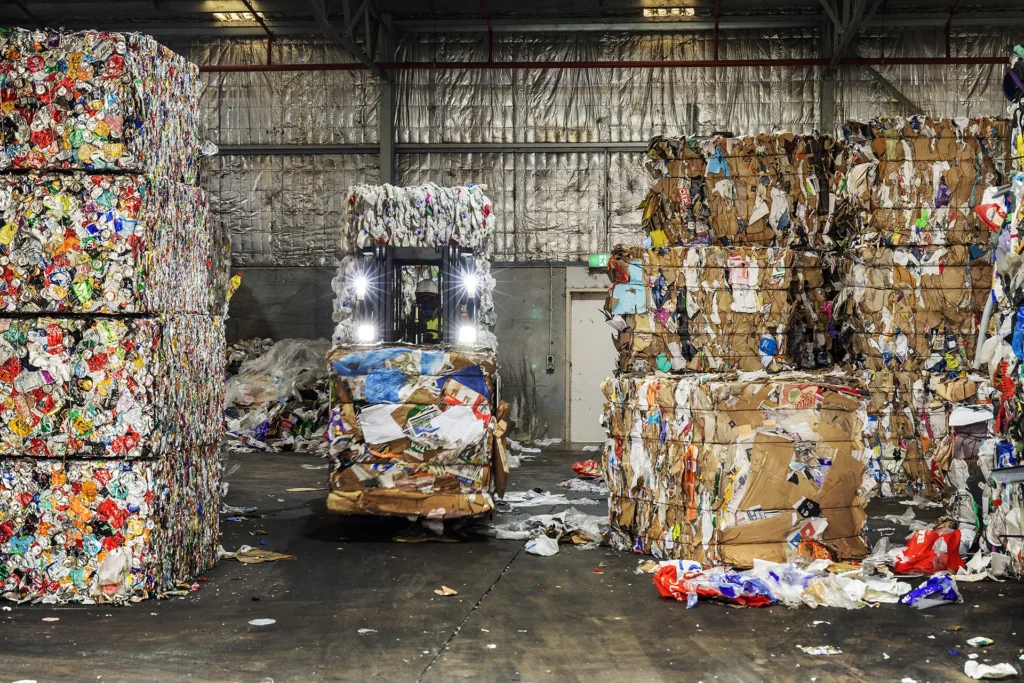
We look at landfills and transfer stations, what’s driving risk and where controls make the biggest difference – across planning, operations and contractor management. With expectations continuing to evolve, this article highlights the value of consistent governance, clear accountability and practical on-the-ground processes that stand up over time.
Our article on preventing flexihose failures outlines why these incidents occur, what the consequences can be, and the types of inspection, installation and maintenance measures that can help reduce likelihood – particularly where assets are ageing, conditions are demanding, or responsibility is shared across multiple teams.
Cyber risk remains a continued challenge for the sector, and this edition also explores the benefits of our cyber uplift program – how capability improvements can strengthen resilience and maturity, reduce disruption, and help members respond more confidently when threats occur. Finally, we include a member FAQ addressing key questions about recent changes to section 6.14A, designed to provide clarity and support consistent interpretation across local government.
We hope you enjoy this edition of Risk Matters – feedback, story ideas and ‘ask an expert’ questions are always appreciated, if you have an idea send it through to our admin inbox at [email protected].