
From lithium-ion batteries to stockpiles: reducing fire and liability risk in waste operations

Risk Matters - Winter 2026

Waste management operations are under sustained pressure, with members balancing service expectations and environmental outcomes against tightening budgets and regulatory environment.

There have been several factors over the last couple of years that have reinforced these dynamics.

  • Climate-driven extreme weather has increased stress on transfer stations, landfill containment and recycling operations – driving unplanned costs and accelerating wear on ageing assets.
  • Recycling prices and changing rules in key overseas markets have made income harder to rely on.
  • Legacy liabilities where historical contamination has occurred, and the ongoing need to manage complex waste streams, emissions, and hazardous materials in a way that stands up to possible scrutiny and reporting requirements.
  • Increased awareness and focus on the inherent risk of waste management driven by increased claims activity and cost of risk transfer and visible reputational outcomes from poor waste management.

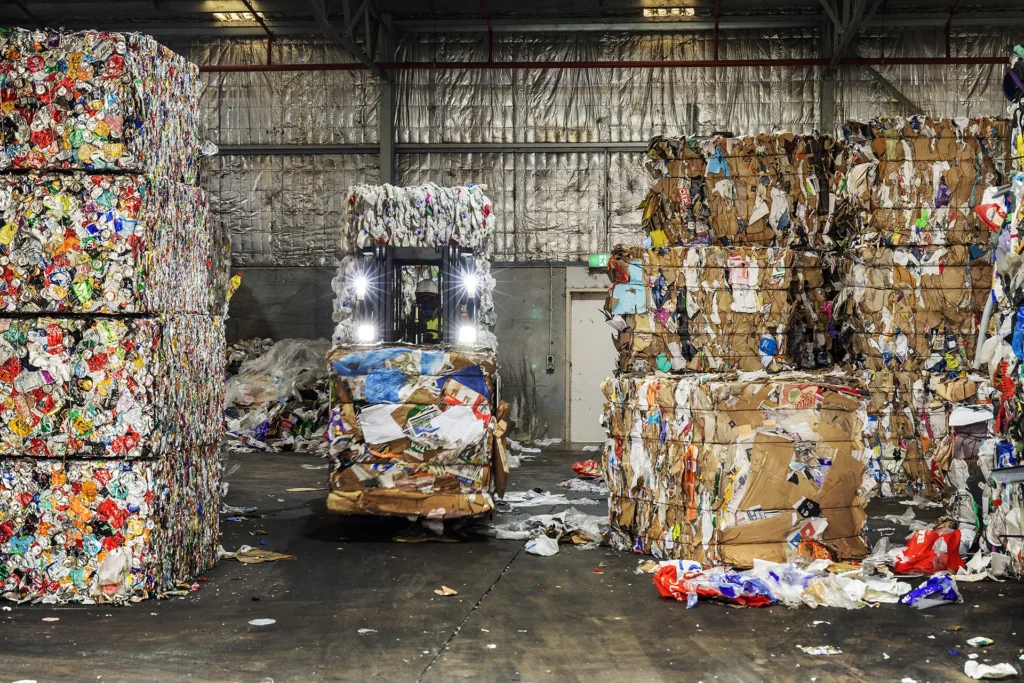
There have been a number of significant fires associated with the operation of waste facilities, including landfill and waste treatment sites.

Other sections in this season's Risk Matters

Where we’ve been – Winter 2026

Congratulations to the Shire of Kellerberrin on receiving the Tier 2 Diligence in Safety Award. CEO James Sheridan visited the Shire earlier this month to meet the team and present the award. The award recognises strong results through LGIS’s ‘3 Steps to Safety’ program.


Read More »

Hiring third-party equipment?

From marquees, stages and sound systems to temporary fencing, generators, catering equipment and vehicles, third-party asset hire is a practical way to meet short-term needs without owning everything year-round.

Read More »

Understanding the Reasonable Administrative Action exclusion in the Workers Compensation and Injury Management Act 2023 (WA)

The Workers Compensation and Injury Management Act 2023 (WA) introduced a significant change to the assessment of psychological injury claims in Western Australia. While the Act retains a broad definition of injury, section seven contains a new exclusion for psychological and psychiatric disorders arising from ‘reasonable administrative action’ taken by an employer.

Read More »

According to the 2024-2025 annual reports published by state fire departments, Western Australia recorded 3,512 other fires (a category including rubbish-related incidents) while New South Wales reported 5,374 specific rubbish fires.

A recent fire incident was at a lithium-ion energy battery facility, located at Maddington, WA. The facility functioned primarily as a collection, sorting, and staging hub for various battery types, including lithium-ion, lithium-metal, and lead-acid batteries. The fire broke out on Sunday, 12 April, 2026, around 1:45 PM.

The fire rapidly engulfed the warehouse. Over 50 firefighters attempted an internal attack but were forced to retreat to a defensive exterior strategy due to the intensity of the chemical fire. The loss was estimated at $7 million in inventory alone, in addition to the structural destruction of the building.

At a Scheme level, waste-related losses have driven some of the largest claims across the mutual, spanning property, liability, workers’ compensation and motor funds.

LGIS has rolled out a waste-focused risk assessment program aligned to the Waste facility risk management guide. To date, over 54 sites have been assessed, resulting in over 800 recommendations to improve site risk.

What's causing li-ion fires?

The cause of fires at waste sites can vary, but some patterns are common. Lithium-ion batteries are a key risk and can ignite if they’re crushed, punctured or overheated during handling. Oversized or tightly packed stockpiles can also trap heat and create hot spots- making fires more likely to escalate and harder to control once they start. In some cases, arson is a contributing factor – particularly where stockpiles are close to boundaries or public access points. Plant and equipment can be an ignition source through hot exhausts, friction, electrical faults, or fuel/oil leaks.

What can members do?

Below is a summary of key considerations and we recommend members review their current arrangements against the guide. Batteries should be identified early in the waste stream, segregated by type, and stored in appropriate containers to manage the risk.

Fire risk from stockpiles (tyres, Intermediate Bulk Containers, other combustibles)

  • Keep stockpiles well away from fences and boundaries.
  • Allow clear gaps between piles (don’t let piles merge).
  • Keep access routes open for fire trucks and site vehicles. Report any piles stored too close to the boundary.
  • Make sure your pile size doesn’t exceed the maximum height of four metres and length 50 metres.
  • Reduce build-up of combustible materials on-site.

Traffic and plant (public and heavy vehicles)

  • Use only marked pedestrian/public areas.
  • Never walk through active plant zones or behind reversing vehicles.
  • Don’t rely on cones/tape as “safe separation”.
  • Report any areas where the public and heavy vehicles are mixing.

Hazardous waste and batteries

  • Put batteries, oils, chemicals, and gas cylinders only in the correct area/containers.
  • Don’t leave gas cylinders unsecured.
  • Keep hazardous items away from ignition sources and combustible waste.
  • Report leaks, staining, damaged containers, or missing controls.
  • Seperate batteries by type, and store in dedicated, self-closing, non-combustible storage bins.

Security (theft, vandalism, arson)

  • Report damaged fencing, unlocked gates, or suspicious behaviour.
  • Don’t allow after-hours scavenging or unauthorised access.
  • Report stockpiles placed near boundaries (higher arson risk).

Public drop-off zones

  • Follow site signage and traffic flow – don’t improvise.
  • Keep pedestrians separate from vehicles wherever possible.
  • Don’t stand or unload near unprotected edges; report missing barriers/rails.

Asbestos (where accepted)

  • Only handle/dispose using the site’s approved method (right bags, sealed, labelled).
  • Dispose only in the designated asbestos area/pit.
  • Report damaged bags, unclear signage, or unsafe handling immediately.

Bushfire readiness (where relevant)

  • Keep vegetation and fuel loads down around stockpiles and boundaries.
  • Maintain separation between combustible materials.
  • Report anything that would worsen fire spread (blocked access, poor storage layout).

Hot works (welding, grinding, cutting)

  • Don’t start hot work unless the site has a clear process/ permit in place.
  • Clear combustibles from the area first.
  • Make sure a suitable extinguisher is at the work area.
  • Stop and report any hot work happening “ad hoc”.

When controls are clear and applied consistently, members are better placed to prevent avoidable events that disrupt service delivery and drive downstream cost and liability – particularly where waste streams, plant movements, public access and combustible stockpiles intersect.

If your organisation is reviewing waste handling, storage or disposal arrangements at landfill and transfer stations, LGIS can support members with guidance to inform planning and implementation – so controls are practical, fit-for-purpose, and reinforced through clear site processes, contractor requirements, and staff communication.

Check out the ‘Waste facility risk guide’, available online or contact the Risk Services team on 08 9483 8888 for more information.

Share on Twitter
Share on LinkedIn

Other sections of this season's Risk Matters

CEO’s Message – Winter 2026

This year marks the significant milestone of the 30th anniversary of LGIS. It’s an opportunity to reflect on the remarkable journey we have undertaken together over the past three decades. Since our founding in 1995, LGIS has evolved from a practical response to emerging risks into a pioneering mutual scheme that proudly serves the diverse needs of Western Australia’s local governments.

Read more »