Volunteer bushfire fighters: WorkSafe investigations and minimum training standards in WA

Risk Matters - Spring 2025

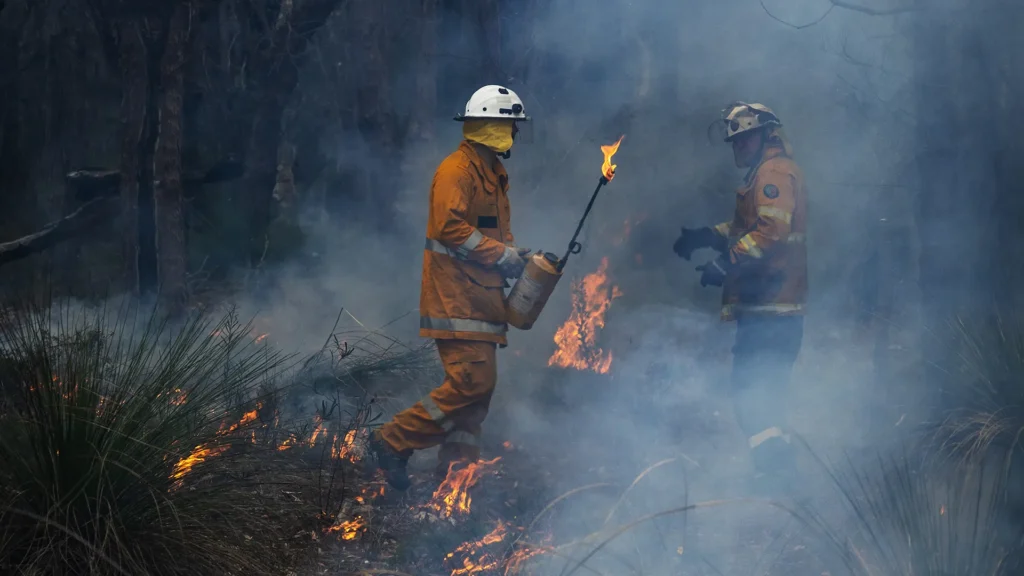
Volunteer bushfire fighters are undoubtedly among the most vital, yet high-risk roles within local governments across Western Australia. The dedication and service they provide is invaluable to our communities, which makes working together to ensure they come home safely a top priority for everyone in the sector.

Why is this so important?

Volunteer bushfire fighters are essential to Western Australia’s bushfire response, often working in challenging and unpredictable settings to protect lives, property, and the environment.

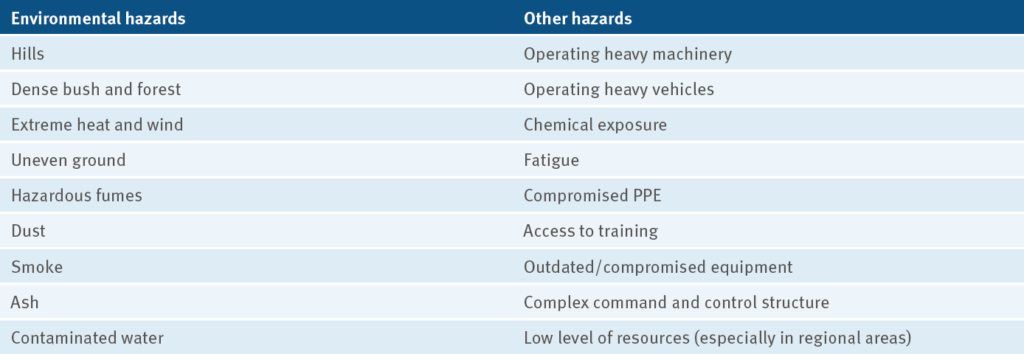
Their already dangerous work becomes yet more significant when we consider the numerous occupational risks they face, many of which are difficult to control.

Other sections in this season's Risk Matters

Where we’ve been – Spring 2025

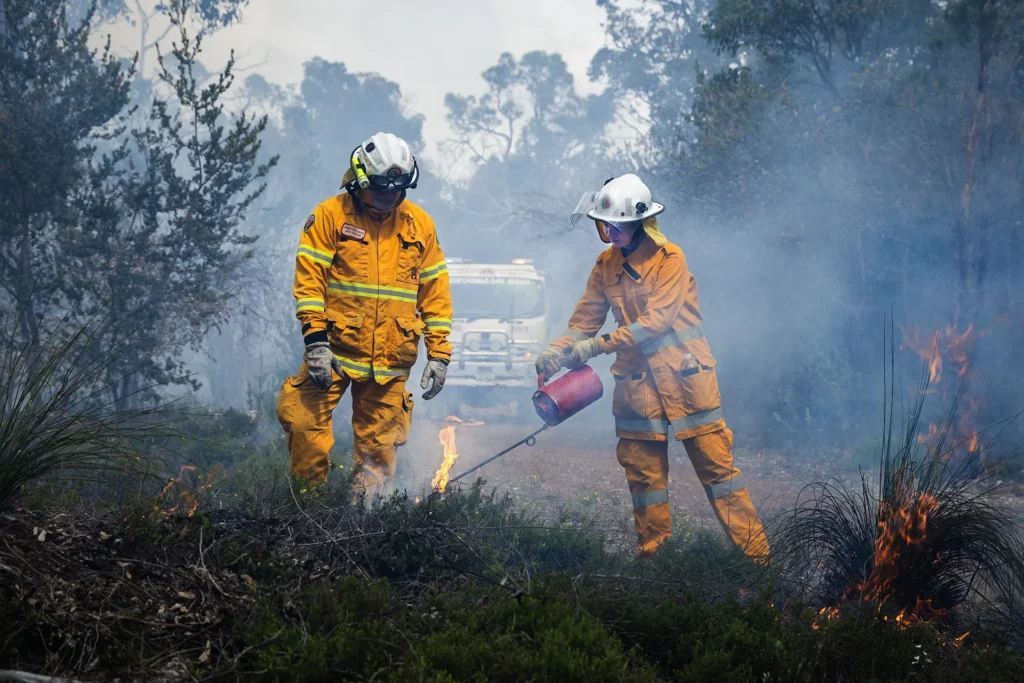
LGIS had the pleasure of visiting the City of Kwinana to present the 3 Steps to Safety Diligence in Safety Award. We recognised Kwinana’s outstanding commitment to workplace health and safety based upon their incorporation of our three steps ‘assess’, ‘plan’ and ‘act’.
Read More »

Understanding the impact: LGIS claims data

Since 2013 volunteer bushfire fighters have filed over 319 claims related to the diverse physical, mental, and emotional demands placed upon responders, costing the scheme over $5.6 million.

The sector’s claims data shows that volunteers can be exposed to a significant range of injuries, resulting in claims that vary
from minor amounts to multi-million-dollar settlements. The most commonly affected body parts are the lower back, knees, shoulders, elbows, hands, and fingers, which given the high average age of volunteers (60 over the past 13 years), can be especially serious and carry long-term recovery periods. This vulnerability to musculoskeletal and obvious burn injuries, coupled with the psychological stress of operating in high-pressure, high-risk environment, subsequently underscores the importance of thoughtful work health and safety and solid brigade management.

What is a volunteer bushfire fighter?

The Bushfires Act 1954 is legislation unique to WA empowering local governments to manage volunteer bushfire brigades. Under the Act, a ‘volunteer firefighter’ is defined as a bushfire control officer who is a registered member of a bushfire brigade, or a person working under the direction of that officer or member.

Since the introduction of the Work Health and Safety Act 2020, volunteers are legally recognised as a worker and therefore an extension of the workplace. This means that local governments, as the person conducting a business or undertaking (PCBU), have a duty to ensure that Work Health and Safety (WHS) standards are as far as is ‘reasonably practicable’, met by all volunteers.

WorkSafe investigation: what is reasonably practicable?

Under the WHS Act 2020, the local governments duty to volunteers is also qualified by what is reasonably practicable. The local government must identify ‘what can be done’ to control the hazard and then consider whether in the given circumstances ‘is it reasonable?’. As a general rule it is recommended that members:

  • Ensure the distribution of WHS policies and procedures on a range of topics to each division or group.
  • Set up processes to ensure consultation can occur between the national body, the state and local groups or divisions.

Current legislation does not explicitly set out what is reasonably practicable for volunteer activities. Members should however, consider the following:

  • Develop clear policies and procedures for volunteer bushfire fighter training, supervision, and safety management.
    This should also include on-boarding, screening and completion of appropriate training materials and guides
    (or equivalent) for volunteers.
  • Maintain detailed records of volunteer bushfire fighter’s fitness to undertake the inherent requirements of their roles and responsibilities.
  • Undertake manual task risk assessments aligned with the job dictionaries to ensure volunteers are appropriate for their roles and responsibilities.
  • Maintain detailed records of training, incidents, and safety communications. Ensure volunteers understand their WHS responsibilities, including following procedures, reporting hazards, and using equipment correctly.
  • Allocate sufficient resources to ensure the effective management and development of volunteer programs.
  • Communicate and consult with volunteers on work health and safety issues.
  • Provide appropriate personal protective equipment (PPE) and personal protective clothing (PPC) and ensure its proper use.
  • Regularly review and update risk management strategies, including hazard identification adn control measures
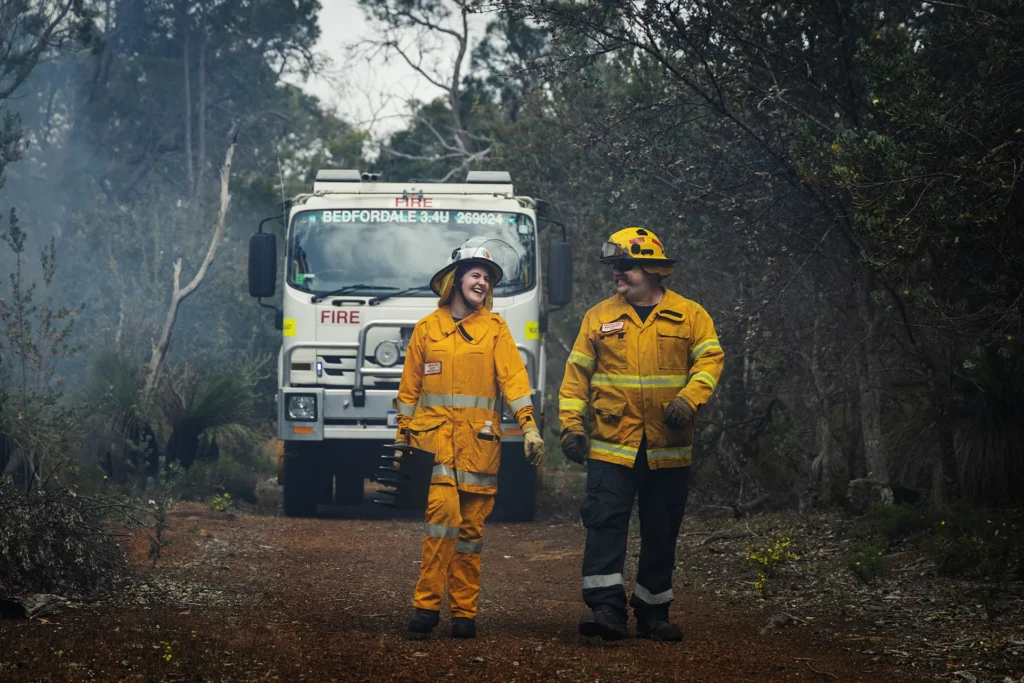
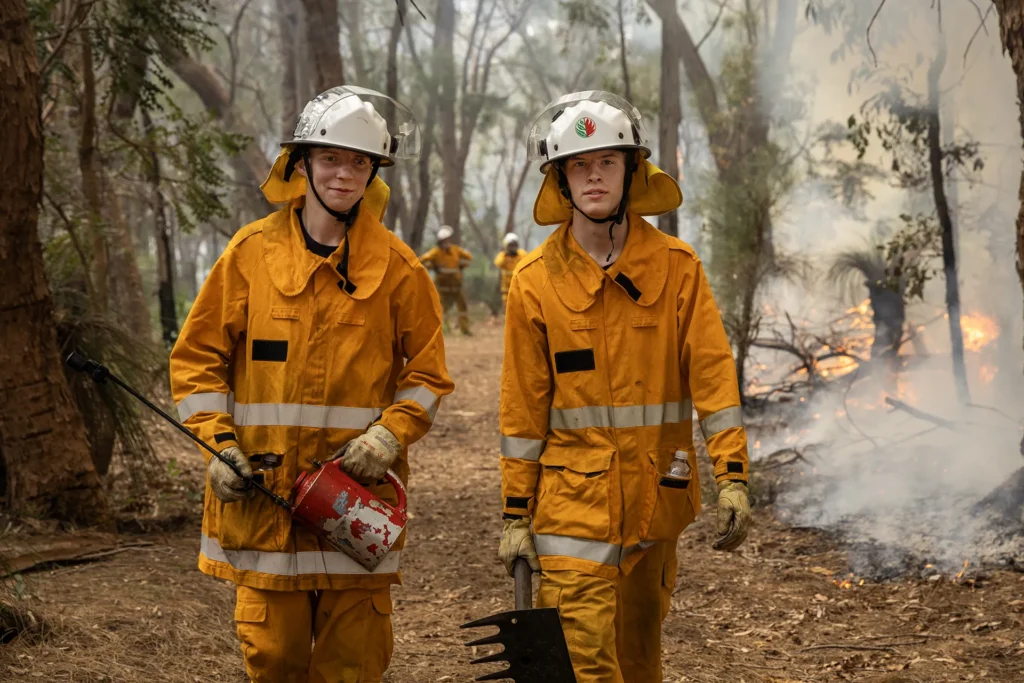
Bedfordale Bushfire Brigade cadets often participate in hazard reduction operations, gaining valuable hands-on experience in controlled burning techniques.

Notifiable incidents

When it comes to volunteer management, understanding how WorkSafe conducts investigations is crucial for safeguarding your people. Knowing what the relevant authority looks for in the event of an incident helps you identify ways to strengthen your case, mitigate risks and most importantly keep your volunteers safe.

WorkSafe requires the PCBU to follow a specific step-by-step protocol immediately after the event. Notifiable incidents include any death, serious injury or illness, or dangerous incident involving any individual (employee, contractor, visitor, member of the public, or volunteer). WorkSafe requires that you:

  • Report a ‘notifiable incident’ to regulators immediately,
    by the fastest means possible.
  • Provide written notification of the incident within 48 hours of a request by the regulator.
  • Preserve the incident site until an inspector arrives or directs otherwise.

As a local government, you have a legal obligation to ensure these procedures are properly followed. Failing to report a notifiable incident is an offence that can result in significant penalties.

Following a report, the regulator will initiate an investigation to determine the cause of the incident occurring within the workplace. To do this effectively, the regulator will request a detailed account of the incident to determine whether a follow-up investigation is warranted. Typically, they will ask for the following information:

  • An overview of what happened
  • The date and time of the incident
  • The location where it occurred
  • A detailed description of the incident
  • Who was affected
  • The current status and treatment of those involved
  • The identity of the person conducting a business or undertaking (PCBU)
  • Actions taken or being taken in response (intended actions to prevent recurrence)
  • Who is notifying the regulator

For local governments, it is important to promptly and accurately answer these questions. It is essential to provide this information within 48 hours of the incident to ensure compliance and support an effective investigation process. Given the high-risk levels associated with brigade activities, having a strong organisational structure in place is beneficial to better navigate this process.

As the local government is the body responsible for brigade management, the core purpose of these questions is to assess the organisations compliance to what is generally considered reasonably practicable under the WHS Act.

Informing local governments: The State Hazard Plan - Fire 2025

In conjunction with the State Emergency Committee (SEMC), the Department of Fire and Emergency Services (DFES) recently completed a comprehensive review of The State Hazard Plan – Fire 2025

A key update to the plan is the formal introduction of recommended minimum training standards (or their equivalent) which are applicable to all volunteer bushfire fighters across WA. It is important to note that this review maintains its acknowledgment of the preexisting recognition of current competency (RRC) process that is available for volunteers and staff members to demonstrate that their skills, experience and knowledge already meet the minimum standards.

State Hazard Plan – Fire 2025 impact on claims

The introduction of minimum training standards (or their equivalent) provides clarity for local governments as a PCBU. By adopting the minimum standards, members can have greater confidence in their ability to meet WHS obligations, protecting themselves and the sector from liability exposures.

The State Hazard Plan – Fire is underscored by a desire for a volunteering environment where individuals attending fire grounds have comprehensively met minimum training standards capable of keeping them safe across WA.

The critical next step is to ensure these standards and educational resources effectively reach volunteer brigades and receive active support from local government leaders. This will help the sector move towards greater consistency, safety, and preparedness, ultimately benefiting both volunteers and the communities they serve.

Leveraging available resources

In addition to the State Hazard Plan – Fire 2025, there are a range of resources available to assist local governments in developing effective training, support, and organisational systems for their brigades:

Standardised training and qualifications

  • DFES and the Bushfire Centre of Excellence: DFES and its Bushfire Centre of Excellence have a range of bushfire training information, including guidelines on equipment use, risk assessments, and volunteer vetting forms such as medical declarations and police clearances.
  • WALGA emergency management web page: this page is a hub for members with links to WALGA’s advocacy and sector representation, plus links through to resources from DFES and LGIS.
  • LGIS’ Managing volunteer’s webpage: all of our resources to support members in managing volunteers, including volunteer bushfire fighters can be found on this page.

Other recommendations

Communication and support networks

Effective communication and support at the unit level is vital to building volunteers confidence, ensuring they are well-equipped, and prepared to respond during emergencies. By establishing clear channels for information sharing, regular briefings, and accessible resources, local governments can elevate training standards and provide consistent, up-to-date information to volunteers.

This helps create a resilient volunteer sector capable of managing increasingly complex bushfire scenarios and complying with evolving WHS requirements.

Volunteer registration systems

Accurate records of volunteers’ identities, roles, and responsibilities enable local governments to better manage their brigades, allocate resources efficiently, and clarify individual responsibilities during incidents. Registration plays a crucial role in liability protection, as it confirms who is present at incidents and ensures that decision makers know volunteers are trained to a minimum standard compatible
with upholding WHS standards.

Final thoughts

With over 20,000 volunteers dispersed across 563 brigades, volunteer bush firefighting in Western Australia presents unique challenges that demand proactive management and training. LGIS encourages local governments to harness existing resources and develop robust organisational systems and foster a safety culture prioritising volunteer wellbeing and community resilience which align with WHS standards.

Support from LGIS

LGIS has a number of dedicated teams here to assist local governments in improving volunteer bush fire provisions.

Contact our people risk team or your regional risk specialist for expert guidance to ensure responders are supported and protected. You can also visit our website at lgiswa.com.au for more information.

Bedfordale Volunteer Bushfire Brigade, cadet training session.
Share on Twitter
Share on LinkedIn

Other sections of this season's Risk Matters

CEO’s Message – Spring 2025

This year marks the significant milestone of the 30th anniversary of LGIS. It’s an opportunity to reflect on the remarkable journey we have undertaken together over the past three decades. Since our founding in 1995, LGIS has evolved from a practical response to emerging risks into a pioneering mutual scheme that proudly serves the diverse needs of Western Australia’s local governments.

Read more »

Playground hazards uncovered: what local governments need to know

Fostering children’s development and enhancing community wellbeing, playgrounds are undeniably an influential facet in supporting learning and social interaction. As a hugely important piece of public infrastructure, balancing the risks with the benefits of play is therefore an important issue for local governments to navigate.

Read more »