Supporting our members through crisis: LGIS critical incident support service

Risk Matters - Spring 2025

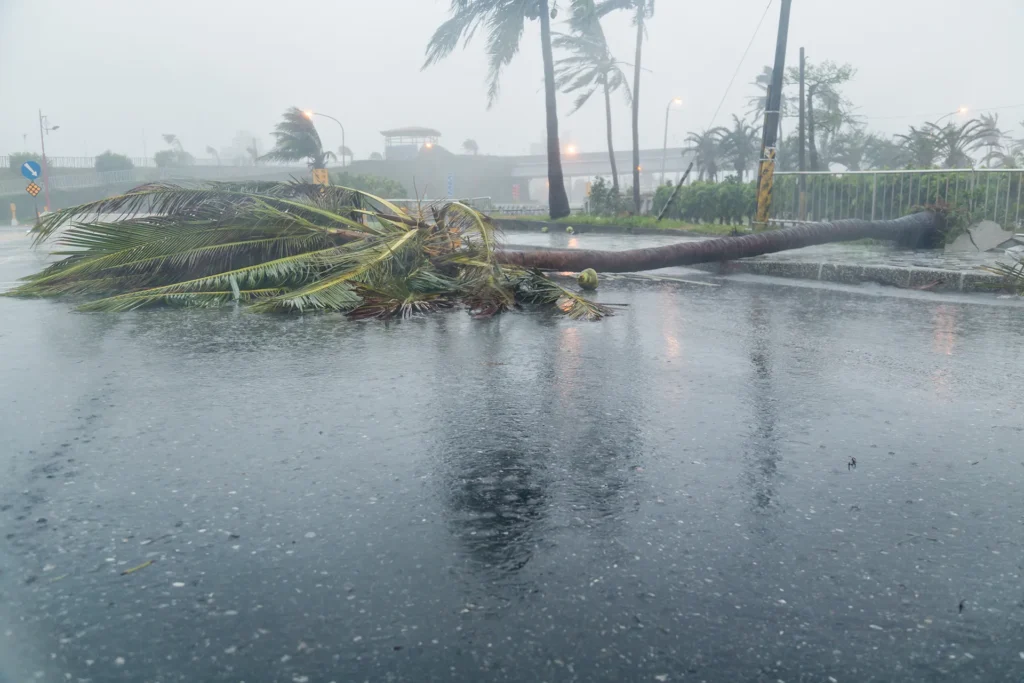
Bushfires, cyclones, fatalities, cyber breaches and CCC investigations are all examples of incidents that may send your local government into crisis. If this happens, our team of experts are standing by ready to comprehensively support you through turmoil and disruption.

We know that a critical incident isn’t just an event; it’s a profound challenge that can impact your people, your operations, and your assets in ways that extend far beyond the immediate moment. LGIS is here to help you navigate through any crisis with strength, resilience and dignity.

Critical incidents take many forms, ranging from large scale disasters like the major escape of chemical or biological substances, to bushfires and other severe weather events, all the way to situations capable of the loss of life, such as the collapse of a structure.

LGIS support is tailored to match the incident. While our instant crisis support is in place for three months, we may still work with the member for anywhere up to three years, especially if there is an associated WorkSafe investigation. We stand with our members throughout the entire crisis, working together through what can be an incredibly emotional and challenging time.

'Critical incident' defined

We define a critical or major incident as any significant or disruptive event that affects a member’s staff, operations, assets or has the potential to result in widespread loss.

Such incidents can be of a highly sensitive or controversial nature, necessitating a customised crisis management response. They may also involve situations that pose a real or perceived threat to a worker’s well-being, triggering strong emotional reactions that can leave individuals and communities feeling overwhelmed.

Other sections in this season's Risk Matters

Where we’ve been – Spring 2025

LGIS had the pleasure of visiting the City of Kwinana to present the 3 Steps to Safety Diligence in Safety Award. We recognised Kwinana’s outstanding commitment to workplace health and safety based upon their incorporation of our three steps ‘assess’, ‘plan’ and ‘act’.

Read More »

Critical incident: Tragedy in a regional community

In December 2021, a regional member faced a devastating tragedy that deeply affected not only those directly involved, but the entire fabric of the community. In this case, a water truck driver (contracted by the local government as part of a road works crew) was tragically killed after being run over by a grader truck.

In this tight knit community, the impact was profound, with the incident triggering a complex series of investigations and claims including a police inquiry, a coronial investigation, a dependency claim, and a prolonged three-year WorkSafe investigation.

How did we respond?

From the very first moment, LGIS mobilised a response tailored to the unique needs of this regional community.

Our team was on the ground promptly, delivering both group and individual briefings to those directly and indirectly affected.

Recognising the complexity of the unfolding investigations and legal processes, we engaged external solicitors to provide expert guidance and established an open, transparent communication network to help the member understand each stage.

LGIS maintained regular contact on a daily, weekly, and monthly basis, ensuring ongoing reassurance throughout the lengthy investigative process.

Understanding the potential for nervous shock and mental harm claims, and with heightened public interest, LGIS also developed a sensitive media response plan to manage communications responsibly, protecting the dignity of those involved and the reputation of the local government. Mental health support was proactively offered and delivered to those in need, recognising the deep emotional impact such an incident can have.

What was the result?

LGIS’s support helped the local government navigate the complex legal and emotional aftermath with clarity and care. We successfully defended the local government against a dependency claim that was initially deflected by the contractor, ensuring the claim was correctly levelled back to them.

Following the police investigation, the grader truck driver was arrested and charged, a development which despite its measure of accountability, brought further distress to an already suffering community.

Throughout this challenging time, LGIS’s wrap-around service protected both the local government’s interests and the wellbeing of those personally affected.
This case underscores the critical importance of a compassionate, comprehensive approach to managing critical incidents in regional local government settings, where every action must balance legal, operational, and deeply human considerations.

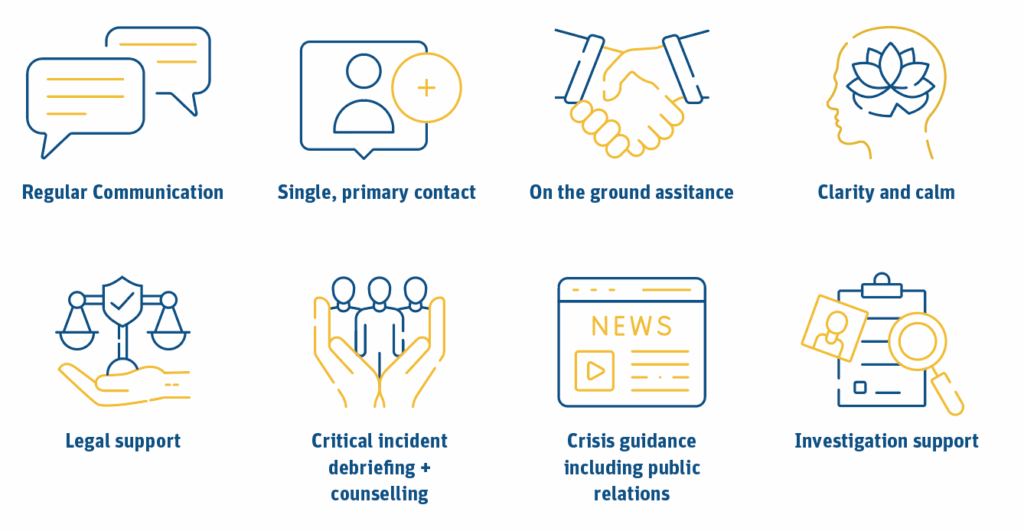
Crisis incident support services

LGIS provides members with wrap-around support

Coordinated Critical Incident Response

At LGIS, we recognise that a critical incident can be first reported to any staff member. Whether it’s your account manager, regional risk specialist, WorkCare team member, or others close contact, we will be ready to spring into action. This flexibility ensures that the major incident protocol can be activated immediately, regardless of who is notified first, enabling a swift and coordinated response to support our members.

First response and member support

Our account managers and regional risk specialists work closely as the frontline responders. If first notified, either team member will activate the major incident protocol and promptly inform all relevant LGIS parties. This unified approach ensures that members receive immediate, comprehensive support.

For members enrolled in the regional risk program, the regional risk specialist provides locally based, on-the-ground assistance. They offer first-hand accounts of the incident, early advice on legislative requirements and reporting, and leverage their detailed local knowledge to navigate region-specific implications and sensitive relationships. This local insight bolsters an effective and sensitive management process.

LGIS liability and general claims team

One of the most important aspects of our critical support service is making sure the member is adequately briefed. As soon as the team is advised they’ll reach out to you and explain everything in a way which is designed to deliver as much peace of mind as can be expected. This includes:

  • Explaining the processes of “what happens now”
  • Information about preserving the site of the incident
  • Managing the care and wellbeing of involved employees and first responders
  • Instructing of external law firms/investigators

These actions are designed to take place in relation to:

  • Potential police investigation
  • Coronial investigation
  • WorkSafe WA investigation/need to notify
  • Potential public liability claim/dependency claims/fatal accident claim

This team provides 24/7 phone support service for the first three weeks or longer if required. It’s common for the local government officer who’s coordinating to call us regularly at odd times of the day or night.

  • Typically, if legal counsel is needed, we’ll get legal assistance on the ground within 24-48 hours of the incident.
  • In the proceeding weeks the LGIS claims team will also visit you. We’ll meet with the CEO and other managers and hold separate information sessions with the staff involved or those impacted by the incident. These sessions cover ‘what happens from here’ and equips you and your people with knowledge of what to expect and what they may need to do.
  • In our experience of handling critical incidents, members have found this service invaluable in providing their staff and their families with additional support.

WorkCare team

It’s our WorkCare team who are often the first to learn of a significant personal injury involving a worker or volunteer. They’ll activate the major incident protocol and where the incident is work related, provide support and guidance to the local contact, communicating precise information about the next steps.

Before a claim has been lodged, they’ll activate our early intervention program which provides access to psychologists, treatment specialists and other allied health professionals. Where there is a claim, they’ll appoint the appropriate workplace rehabilitation provider to ensure that medical and allied health services are all coordinated to minimise complexity and maximise recovery.

People risk team

Delivered by LGIS’ experienced counsellor, we provide the Critical Incident Debriefing (CID) service. This is a structured, step-by-step approach designed to support individuals who have experienced a traumatic event in the workplace. Participation is completely voluntary.

Historically, where needed we’ve had an LGIS counsellor on the ground and delivering this service within 24-48 hours of the incident. We create a safe and validating environment where workers can begin to process their trauma and stress.

During the sessions, our trained counsellor will use trauma-informed strategies to discuss common reactions and normalise them. The group looks at helpful and unhelpful coping strategies participants are already using in response to the incident, and the counsellor goes through evidence-based strategies and grounding exercises that staff can use.

After the CID sessions, our dedicated counsellor conducts a follow-up session with all the participants. This follow-up is essential for reinforcing the coping strategies discussed during the debriefing and ensuring that workers feel supported in their recovery process.

We’ve also found that this process supports team cohesion by allowing workers to share their experiences and reactions, creating a supportive environment that strengthens relationships within the team.

Your responsibilities

Finally, we understand that when a critical incident occurs it can represent a profoundly challenging period for members. Depending on the circumstances, incidents have the ability to cause significant emotional stress and fragment communities. The response of local government leaders is therefore pivotal.
By avoiding common pitfalls and working with LGIS from the very moment the incident happens, we can tackle the crisis together. Members should avoid:

  1. Minimising the incident: it’s easy to downplay the impact of a critical incident, thinking, “It wasn’t that bad; they’ll be fine.” This can invalidate workers’ feelings and hinder their recovery.
  2. Delaying response: waiting weeks or months to respond to a critical incident can exacerbate psychological injuries.
  3. Discouraging communication: workers need to feel safe discussing their feelings rather than bottling them up. Encouraging open dialogue about significant events is essential, and utilising CID can help focus on resilience and positive coping strategies.

We will stay in contact and visit you for as long and as often as needed. Even where there is a WorkSafe or a coronial investigation, the team will support and guide you through the whole process. For members seeking more information about this vital service we encourage you to contact your LGIS account manager.

Share on Twitter
Share on LinkedIn

Other sections of this season's Risk Matters

CEO’s Message – Spring 2025

This year marks the significant milestone of the 30th anniversary of LGIS. It’s an opportunity to reflect on the remarkable journey we have undertaken together over the past three decades. Since our founding in 1995, LGIS has evolved from a practical response to emerging risks into a pioneering mutual scheme that proudly serves the diverse needs of Western Australia’s local governments.

Read more »

Playground hazards uncovered: what local governments need to know

Fostering children’s development and enhancing community wellbeing, playgrounds are undeniably an influential facet in supporting learning and social interaction. As a hugely important piece of public infrastructure, balancing the risks with the benefits of play is therefore an important issue for local governments to navigate.

Read more »